Other Information
What Does an FDA Class I, II, or III Recall Mean?
A plain-language guide to FDA recall classifications for drugs and food, what they measure, and which product identifiers still need to match.
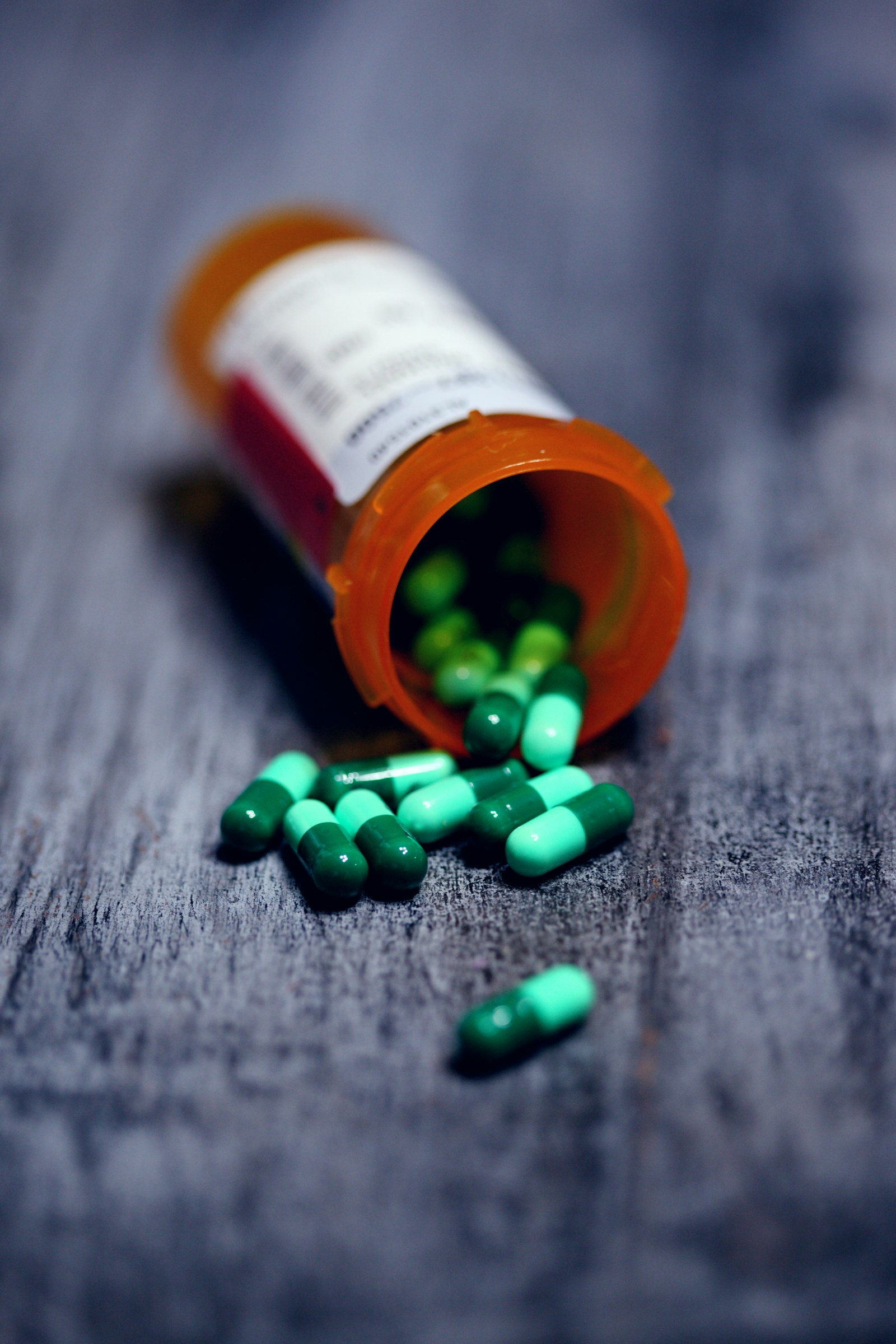
The FDA uses Class I, Class II, and Class III to describe the health hazard associated with a recalled product. The class helps communicate the relative seriousness of the problem, but it does not tell you by itself whether the medicine in your hand is included or what an individual patient should do.
The three FDA recall classes
| Classification | FDA meaning | Plain-language summary |
|---|---|---|
| Class I | There is a reasonable probability that use of or exposure to the violative product will cause serious adverse health consequences or death. | The highest-risk category. Instructions may be urgent and may target patients directly. |
| Class II | Use of or exposure to the product may cause temporary or medically reversible adverse health consequences, or the probability of serious consequences is remote. | A meaningful problem, but serious harm is considered unlikely. |
| Class III | Use of or exposure to the product is not likely to cause adverse health consequences. | The lowest of the three recall classes; examples can include certain minor labeling, packaging, or expiration-date problems. |
These definitions come from the FDA’s Recalls Background and Definitions page. “Class III” does not mean that a product meets FDA requirements, and “Class I” does not mean that every exposed person will be harmed. The classification describes the agency’s assessment of the recall situation.
Classification is not the same as recall scope
A recall class answers one question: how serious is the assessed health hazard? Other parts of the record answer different questions:
- Product description identifies the drug, strength, dosage form, and packaging.
- Code information lists affected lots, batches, or other identifiers.
- Distribution pattern describes where the product was distributed.
- Recall status indicates how the recall is represented in the enforcement record.
- Recalling firm identifies the company conducting the recall.
A narrowly distributed Class I recall and a widely distributed Class II recall differ in both severity and reach. Read the complete notice instead of treating the class as a substitute for the product details.
Does the class tell me to stop taking a medicine?
No. Do not stop a prescription based only on the class label or a search result. Suddenly stopping some medicines can create a greater immediate risk than continuing them while you obtain instructions.
The FDA’s consumer guidance, Understanding Drug Recalls: What to Know and What to Do, recommends following the instructions in the recall notice and contacting a pharmacist or doctor with questions. A company may direct consumers to return a product, contact a healthcare professional, or continue taking it until a replacement is available. The correct action depends on the specific recall.
How the same classes apply to food
FDA uses the same Class I, II, and III hazard framework for food enforcement records. The product-specific evidence changes: a food check usually depends on the brand, package size, UPC, lot or date code, and allergen or contamination described in the notice. A Class I undeclared-allergen recall can be extremely important for a person with that allergy while still applying only to the listed packages and production codes.
The class does not tell a consumer to eat, return, or discard a product. Those instructions come from the recall notice and recalling firm. It also does not decide whether FDA or USDA FSIS has jurisdiction over a meat, poultry, or egg product.
How to check whether your package is affected
Start with the exact identifiers on the medicine and its packaging:
- Match the brand or generic name.
- Match the strength and dosage form.
- Compare the manufacturer or distributor.
- Compare the NDC when one is provided.
- Match the lot, batch, or code information exactly.
- Read the recall instructions and date.
A shared drug name is not enough. The recall may apply to only one manufacturer, package size, or production lot. See How to Find the NDC and Lot Number on Medication Packaging for a package-by-package checklist.
Why a recall may appear without a public announcement
The FDA explains that not every recall receives a press announcement. Public notification is generally used when a product has been widely distributed or presents a serious health hazard. Classified recalls are listed in the FDA Enforcement Report, which is also the source made available through the openFDA Drug Enforcement API.
That distinction matters when search results look inconsistent. A company announcement, an FDA public warning, and an enforcement record can appear at different points in the recall process. The classification may not be assigned at the moment a firm first announces an action.
The practical takeaway
Use the recall class to understand relative hazard, then use the complete record to determine scope. The most useful next step is usually not to search the class name—it is to compare the product description, NDC, and lot number with the package you actually have.
Review record
Reviewed August 10, 2026 against FDA recall definitions, FDA consumer drug-recall guidance, and the structured drug and food enforcement fields exposed through openFDA. The classifications quoted here are agency definitions; the plain-language summaries and matching workflow are Artifact4U editorial explanations.