What Does an FDA Class I, II, or III Recall Mean?
A plain-language guide to FDA recall classifications for drugs and food, what they measure, and which product identifiers still need to match.
Artifact4U editorial collection
Practical explanations for reading public enforcement records and comparing product, NDC, UPC, lot, and code information.
A plain-language guide to FDA recall classifications for drugs and food, what they measure, and which product identifiers still need to match.
Understand how FDA recalls differ from safety alerts, market withdrawals, and drug shortages—and why one event may involve more than one category.
Learn whether to check FDA or USDA recall sources for groceries, meat, poultry, egg products, packaged foods, produce, and dietary supplements.
openFDA enforcement datasets update on a published schedule, but classification, corrections, and local sync timing affect when drug or food records appear.
A practical checklist for matching a medicine package to an FDA enforcement record without relying on headlines or incomplete social posts.
A practical guide to searching FDA food recall records and matching a product by brand, company, UPC, lot code, package size, and recall number.
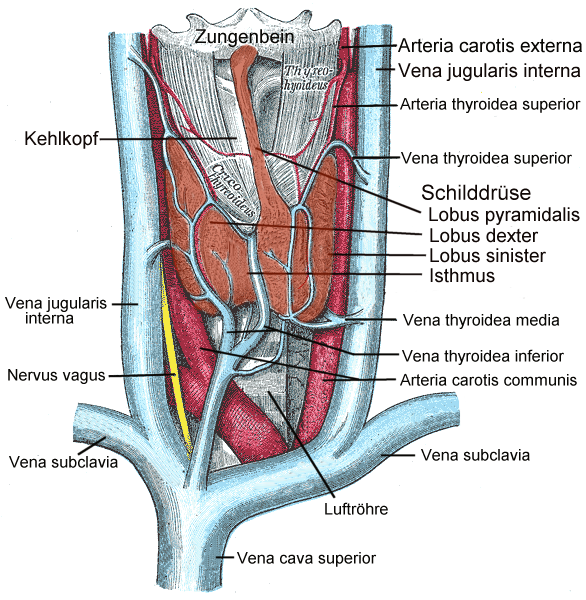
Synthetic levothyroxine and animal-derived thyroid products are not the same category. Here is how the FDA distinguishes them.
Learn how to verify an undeclared allergen food recall using the product name, Contains statement, UPC, package size, lot code, and date information.
A careful look at the FDA notice behind the search spike, what it says about synthetic levothyroxine, and how to verify a medication recall.
Learn where to look for an NDC and lot number on bottles, cartons, blister packs, and pharmacy containers before checking a drug recall.