Other Information
Levothyroxine vs. Desiccated Thyroid Medication: What the FDA Notice Actually Covers
Synthetic levothyroxine and animal-derived thyroid products are not the same category. Here is how the FDA distinguishes them.
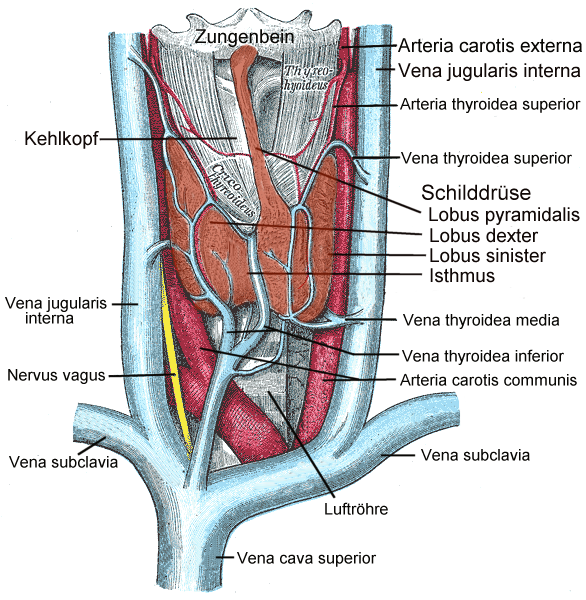

Several thyroid medications may appear together in conversations about hypothyroidism, but the FDA does not describe them as one interchangeable regulatory category.
Synthetic levothyroxine
Levothyroxine is a laboratory-made form of thyroid hormone. The FDA says approved synthetic products containing levothyroxine or liothyronine have been marketed for decades.
The agency estimated that about 22 million patients received prescriptions for levothyroxine through United States outpatient retail and mail-order pharmacies in 2024.
Animal-derived thyroid medication
Animal-derived thyroid medication is made from dried, ground animal thyroid glands, usually porcine. It is also called desiccated thyroid extract or DTE.
The FDA identifies products marketed under names such as:
- Armour Thyroid
- NP Thyroid
- Nature-Throid
- Natural Thyroid
According to the FDA, these animal-derived products are not FDA approved. The agency announced a 2026 regulatory path addressing them.
Why the distinction matters when searching
A headline about “thyroid medication” does not necessarily apply to every product used to treat a thyroid condition. Verification requires the exact product name and manufacturer—not only the condition being treated.
Use the original FDA thyroid medication notice and compare it with the information on your package.
This article explains public FDA information and does not provide individual medical advice. Do not stop or change medication without speaking to your pharmacist or prescriber.
A source-by-source comparison
The FDA thyroid-medication page is a regulatory notice about unapproved animal-derived products. It names a product category, explains the agency’s approval concerns, and describes a transition path. That page should not be silently converted into a claim that every thyroid medicine is recalled.
An FDA enforcement record answers a different question. It describes a particular recall event and normally identifies a recalling firm, product description, classification, code information, distribution pattern, and recall number. A drug-label record answers still another question: how a marketed product is labeled. Keeping these source types separate is the simplest way to avoid turning a broad regulatory action into a false package-specific warning.
Worked package check
Suppose a pharmacy label says levothyroxine sodium, includes a strength, and identifies a manufacturer. First compare that exact name with the product categories named in the FDA notice. Synthetic levothyroxine and animal-derived thyroid products are not interchangeable labels. Next, search enforcement records using the product name and manufacturer. If a candidate appears, compare the NDC, dosage form, strength, and lot or code information. A shared treatment purpose is not a product match.
If the pharmacy has transferred tablets into a dispensing bottle and the manufacturer’s lot is not printed, the pharmacist may be the only practical source for the original stock-bottle identifier. Do not guess the lot from the prescription number; those identifiers serve different purposes.
Questions this page does not answer
This comparison cannot determine whether a specific prescription should be changed, whether one formulation is clinically appropriate for an individual, or whether a product absent from the openFDA snapshot is unaffected. It also does not replace later FDA updates. The current official notice and the label on the actual package take priority over this summary.
Research record
Reviewed August 10, 2026 using the FDA page titled “FDA’s Actions to Address Unapproved Thyroid Medications,” FDA recall definitions, and the openFDA Drug Enforcement field documentation. The package example is hypothetical. No medical product was tested, and no medical recommendation is made.