Other Information
FDA Recall vs. Safety Alert, Market Withdrawal, or Drug Shortage
Understand how FDA recalls differ from safety alerts, market withdrawals, and drug shortages—and why one event may involve more than one category.
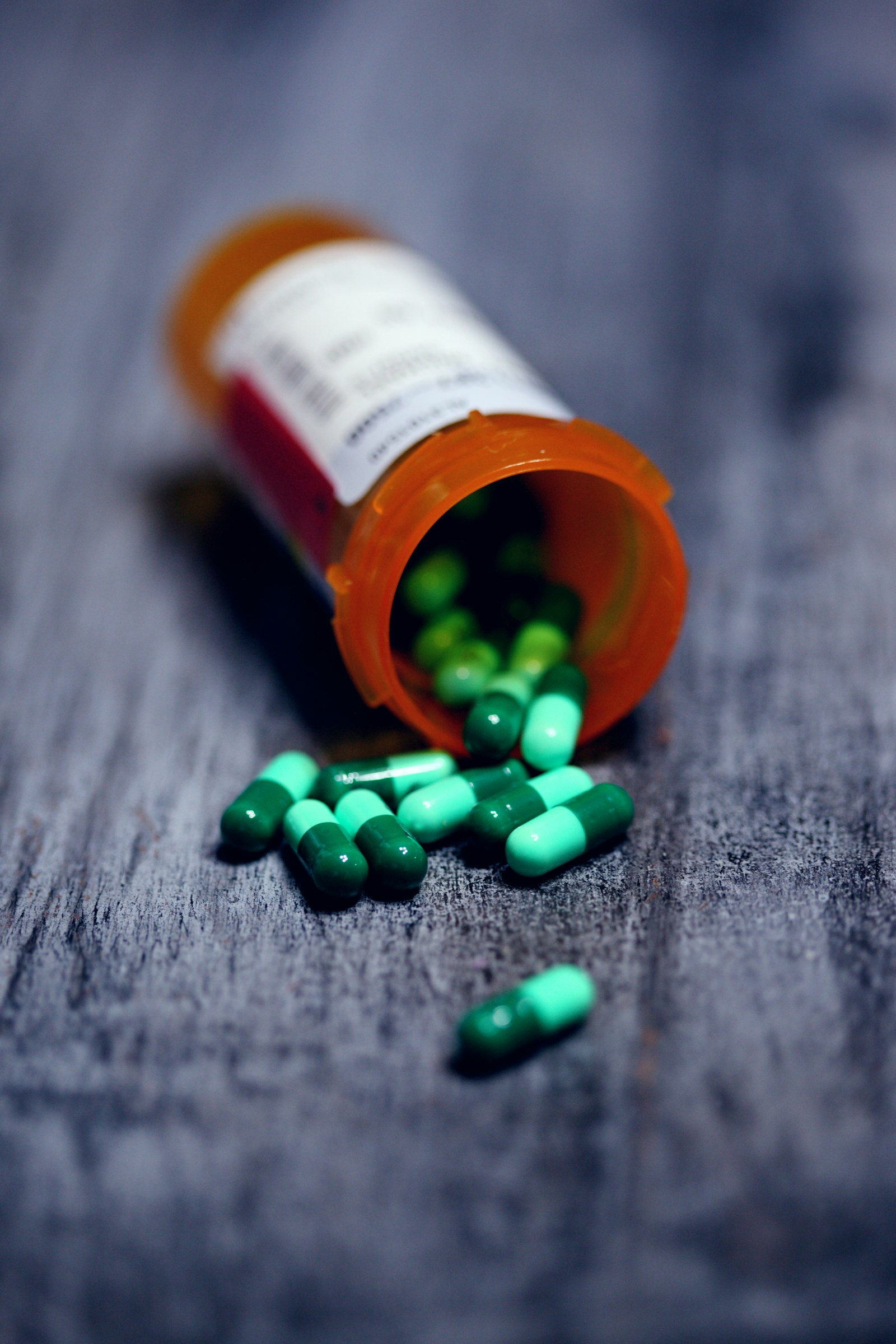
“FDA alert,” “drug recall,” and “drug shortage” often appear together in headlines and search results, but they describe different things. A recall concerns correcting or removing a specific violative product. A safety alert communicates a risk or fast-moving safety issue. A shortage concerns whether nationwide supply can meet demand.
One event can involve more than one of these categories, so the terms should not be used interchangeably.
Quick comparison
| Term | Core question | Typical identifying details | Where to verify |
|---|---|---|---|
| Drug recall | Is a specific product being removed or corrected because it is defective, potentially harmful, or otherwise violative? | Product, manufacturer, NDC, lots, distribution, recall class | FDA recall announcement and Enforcement Report |
| Safety alert | What risk or safety issue does FDA want patients, professionals, or the public to know about? | Affected products or drug category, risk, recommended actions | FDA Drug Alerts and Statements or Drug Safety Communications |
| Drug shortage | Does U.S. demand or projected demand exceed available nationwide supply? | Active ingredient, dosage form, strength, company availability, shortage reason | FDA Drug Shortages Database |
What is a drug recall?
The FDA describes a drug recall as an action taken by a company to remove a defective drug from the market or warn patients and consumers about a potential risk. A company may initiate a recall on its own, after FDA raises concerns, or at FDA’s request. FDA oversees the recall and classifies it according to the health hazard.
A recall is usually product-specific. The affected scope may be limited to one manufacturer, strength, package size, NDC, or group of lots. A headline saying “Drug X recalled” can therefore be much broader than the underlying record.
Start with the FDA’s Drug Recalls page and compare the package identifiers with the announcement or Enforcement Report. The FDA recall class—Class I, II, or III—describes relative hazard, not the breadth of distribution.
What is an FDA safety alert?
“Safety alert” is a communication label, not a synonym for a classified recall. FDA may publish an alert or statement when it wants healthcare professionals or the public to know about a safety concern. The communication may address:
- A medication error risk
- Counterfeit or unapproved products
- Contamination or quality concerns
- New information about adverse effects
- A voluntary withdrawal
- A problem that later results in, or already accompanies, a recall
Some alerts concern an entire category of products or a pattern of use rather than a set of recall lots. Others point directly to a company recall. Read the body of the alert to determine what action, product scope, and evidence it actually describes.
FDA organizes these notices on its Drug Alerts and Statements and Drug Safety Communications pages.
What is a market withdrawal?
FDA distinguishes a market withdrawal from a recall. A withdrawal generally involves a minor issue or another situation that FDA would not treat as a legal violation subject to recall action. News summaries sometimes use “recall” for any product removal, but the official source type and wording should be preserved.
For food products, FDA’s Recalls, Market Withdrawals, and Safety Alerts page can contain public notices before or outside a classified enforcement-record search. For meat, poultry, and certain egg products, USDA FSIS is the relevant recall source.
What is a drug shortage?
Federal law defines a drug shortage as a period when demand or projected demand for a drug in the United States exceeds supply. FDA evaluates shortages nationally, so an empty shelf at one pharmacy does not necessarily mean the drug is in an FDA-listed shortage.
Shortages can result from manufacturing quality problems, production delays, shortages of raw materials, discontinuations, or unexpected increases in demand. FDA tracks current and resolved shortages in its Drug Shortages Database.
A shortage does not by itself mean a drug is unsafe. It describes availability. Conversely, a recalled lot does not necessarily mean every version of the drug is unavailable.
How the categories can overlap
Suppose a manufacturer recalls several sterile injectable lots after a quality problem:
- The company and FDA may publish a recall announcement describing the affected lots.
- FDA may issue or amplify a safety communication if the risk requires broader attention.
- Removing those lots may reduce supply enough to contribute to a shortage.
The recall, alert, and shortage would all relate to the same underlying event, but each source answers a different question. A patient may need the recall notice to check a lot number, the alert to understand the risk and instructions, and the shortage database to discuss available alternatives with a healthcare professional.
The reverse is also possible. A drug may be in shortage because demand surged even though no product was recalled, or FDA may issue a safety alert that does not involve any shortage.
Which source should you check?
Use the wording of the claim as a clue:
- “My bottle may be recalled” → compare the exact product, NDC, and lot with a recall record.
- “FDA warned about this medicine” → locate the original FDA alert or safety communication and read its scope.
- “My pharmacy cannot fill this prescription” → check the FDA shortage database, then ask the pharmacy whether the problem is local or national.
- “The product was withdrawn” → read the primary notice; a market withdrawal, discontinuation, and recall are not automatically the same.
Do not change or stop prescribed treatment based on a headline, a social post, or the absence of a result in one database. Contact the dispensing pharmacy or prescriber and follow the instructions in the authoritative notice.
Review record
Reviewed August 10, 2026 against FDA recall definitions, the FDA public recall and safety-alert portal, the Drug Shortages database description, and openFDA enforcement documentation. The categories can overlap, but this article does not relabel an agency action when the primary source uses a more specific term.